"Powered by Raspberry Pi": what the new accreditation mark tells you about a product
Raspberry Pi has spotlighted six products from Sweden to South Korea under its Powered by Raspberry Pi accreditation. Here is what the scheme is, and what it does not promise.
By Andrew Ingleton · Published
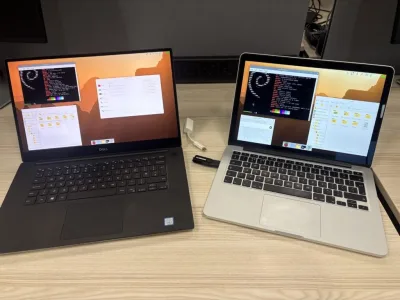
Raspberry Pi published a round-up on 29 October of products built on its hardware that have passed its "Powered by Raspberry Pi" accreditation. For hobbyists the interesting part is less the products themselves than what the mark is meant to signal when you are choosing a gadget, or a board for a project like an old PC turned into a Pi desktop.
What the accreditation is
According to Raspberry Pi, the scheme helps manufacturers handle compliance. It standardises the regulations and testing procedures that apply to products built on Raspberry Pi, and details sit on the company's Production Information Portal. Raspberry Pi describes the mark as a "visual and visible mark of quality and rigour" that helps products stand out and gives customers confidence.
What the post does not say is exactly which tests are involved or what guarantees a customer receives. So it is best read as evidence that a manufacturer went through a defined compliance process, not as a warranty or a security certification.
The six products featured
- Horace 2 (France): a party photo booth using two Raspberry Pi High Quality Cameras, a Raspberry Pi 5 and Node-RED.
- Elk Audio (Sweden): a low-latency audio processing platform that runs on Raspberry Pi 4 and Compute Module hardware, with its Stomp development kit.
- YUMA-X-FCC (Germany): an airborne Linux computing platform aimed at avionics and aerospace use.
- Handlet (Finland): a 5-inch battery-powered Raspberry Pi computer, sold assembled or as a do-it-yourself kit.
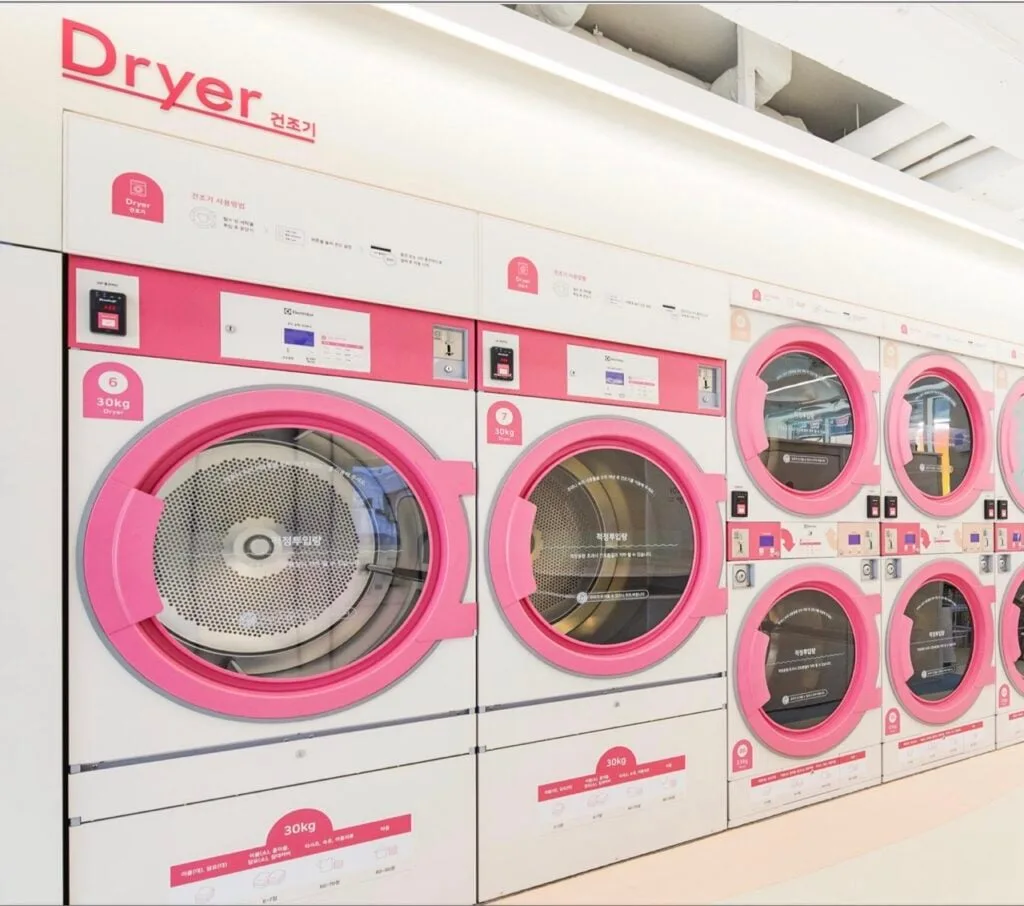
- Beebot OS (South Korea, Korea Laundry): a management and payment system for unattended kiosks such as self-service laundries.
- STL.one (Slovakia, System-IS): an 8-inch touchscreen attendance terminal with a card reader and webcam.
Why it matters to home-lab fans
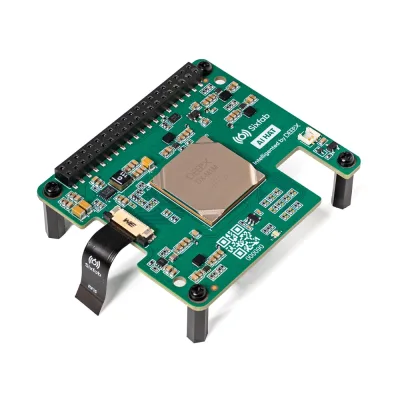
The Raspberry Pi has long been a favourite for home servers, and its commercial side is growing too, including a new wave of AI add-on boards. Products carrying a recognised mark should be easier for makers to sell across borders, which is good news for choice. For buyers, a sensible approach is to treat the mark as one signal among several: still check the warranty, the update policy and how long the maker promises to support the software.
Pricing and availability vary by product and were not covered in the announcement, so check each maker's own site.