What a Raspberry Pi costs in late 2026: price rises explained, and why the Pi 6 can wait
Memory costs have pushed up the price of the Raspberry Pi 4 and 5 more than once this year, and the Pi 6 is not expected before 2028. Here is what that means for anyone planning a home server.
By OwnYourStack Admin · Published
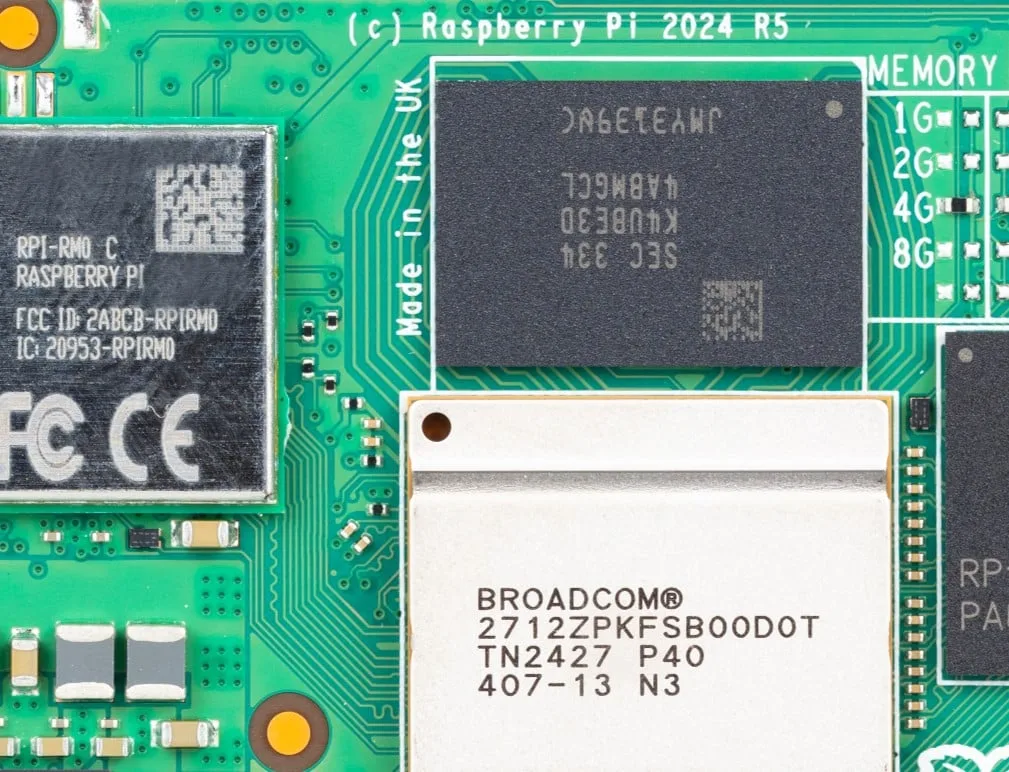
The Raspberry Pi used to be the obvious answer to “what is the cheapest way to run a home server?”. In 2026 the question is less simple.
Why the prices went up
The cause is memory. Raspberry Pi has said that LPDDR4 DRAM costs have surged on the back of AI-driven demand; TechRadar reported in April that the cost of the RAM used on the Pi 4 and 5 had risen roughly sevenfold in a year. There were earlier increases in December 2025 and February 2026, and a further round in April.
Eben Upton, Raspberry Pi’s chief executive, wrote that the company could not avoid passing on part of the increase, called the strain “challenging but temporary” and said he expects prices to fall once memory costs stabilise. The company’s own announcement is on raspberrypi.com.
The April 2026 increases (US dollars)
| Product | Increase |
|---|---|
| Pi 4 and Pi 5, 4GB | +$25 |
| Pi 4 and Pi 5, 8GB | +$50 |
| Pi 5, 16GB | +$100 |
| Raspberry Pi 500 (unit and kit) | +$50 |
| Raspberry Pi 500+ (unit and kit) | +$150 |
| Compute Module 5, 16GB | +$100 |
| AI HAT+ 2 | +$50 |
The 1GB and 2GB Pi 4 and Pi 5, the Pi 400 and the older “classic” products such as the Zero line were not changed. A new 3GB Raspberry Pi 4 was introduced at $83.75, sitting between the 2GB and 4GB models, in line with the company’s aim to let buyers avoid paying for more memory than they need. UK prices are set by approved resellers, so check current sterling prices before you buy.
Pi 6: not before 2028
If you were holding out for the next generation, It’s FOSS reported in May that Eben Upton said, in a Reddit AMA, that the Pi 6 would follow a 4 to 4.5-year cycle from the Pi 5’s launch, which points to early 2028 at the earliest. He expects it to be a Pi 5 with “quantitative changes, not qualitative ones”: a faster CPU, more I/O and more memory bandwidth, without new ports or an M.2 slot. The Pi 5, he said, “could comfortably hold that position”.
Separately, the Pi Zero 2 W has been in short supply because of AI chip demand; a new supplier has been added and stock is expected to recover before the end of the year.
What this means for a home lab
- Buy for the job, not the headline: a Pi-hole, a Home Assistant bridge, a WireGuard endpoint or a small Jellyfin client runs happily on 2GB or 4GB. The 16GB Pi 5 now carries a large premium.
- Do not wait for the Pi 6: there is no sign it will arrive within the next year, and its changes sound incremental.
- Compare with used mini PCs: for anything heavier, such as Proxmox, several containers or a media server that transcodes, a second-hand Intel mini PC often costs about the same and offers more performance, although it uses more power at idle.
- Storage matters more than RAM: a Pi booting from an SSD rather than an SD card is the single biggest reliability upgrade.
The Pi remains an excellent, low-power platform and the software support is unmatched. It is simply no longer the automatic budget choice, so work out what you need before you spend.